Vape Culture: Examining the Emergence of Vaping in Contemporary Society
Vaping culture has become a significant trend within younger generations, driven by a desire for healthier alternatives and diverse flavor options. Social media amplifies this trend, portraying vaping as a mainstream and accepted lifestyle. Yet, the health concerns surrounding vaping remain debated, raising questions about safety. As vape retailers develop into neighborhood meeting points, the nature of this culture keeps evolving. What lies ahead for this growing movement?
Why Are So Many People Making the Switch to Vaping?
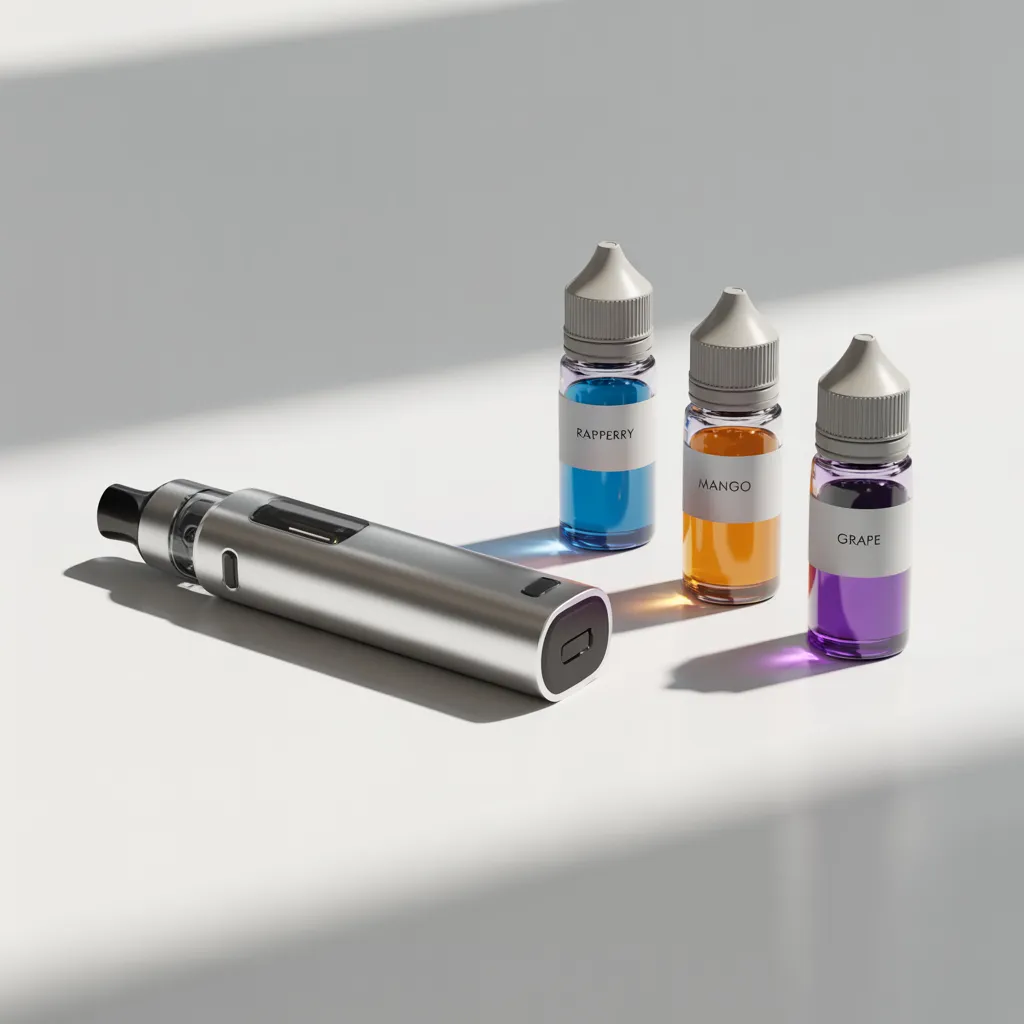
As awareness of the health risks associated with traditional smoking grows, many individuals are opting for vaping as a perceived safer alternative. This transition is fueled by several contributing elements, including the appeal of flavors and customizable options that vaping devices provide. Many users appreciate the varied flavors, which range from fruity to dessert-inspired, making the experience more enjoyable compared to conventional tobacco. Moreover, vaping is commonly perceived as a more socially embraced habit, particularly within younger populations. The technology behind vaping devices also allows for a level of control over nicotine intake, appealing to those looking to reduce consumption gradually. Beyond that, the notion that vaping is less bothersome and leaves behind fewer persistent odors compared to smoking plays a role in its increasing prominence. As a result, a diverse range of individuals, from former smokers to those new to nicotine, are increasingly making the switch to vaping.
Can Vaping Be Considered Safe? The Health Controversy?
How safe is vaping compared to traditional smoking? This inquiry has ignited substantial controversy among healthcare specialists and the general population. While vaping is often marketed as a safer alternative to smoking, the reality is more complex. Vaping devices usually include a smaller number of toxic chemicals compared to regular cigarettes, theoretically diminishing some associated health dangers. However, vaping still introduces harmful chemicals into the body, including nicotine, which can lead to addiction and potential cardiovascular issues.
Recent studies have highlighted concerns about the long-term effects of breathing in vaporized compounds, particularly since several substances within e-liquids remain largely unexamined. Furthermore, incidents of lung injuries associated with vaping have been reported, deepening the uncertainty about its overall safety. Ultimately, while vaping may be less harmful than conventional smoking, it is still associated with notable risks, warranting careful consideration from users and policymakers alike.
Who Is Embracing the Vaping Trend?
Who is drawn to the vaping trend? A broad spectrum of individuals is drawn to vaping, spanning various age groups and backgrounds. Young adults, particularly those in their late teens to early twenties, commonly explore options beyond traditional tobacco products, considering vaping a contemporary lifestyle decision. Numerous individuals are driven by the idea that vaping is a safer alternative and delivers a tailored experience through an array of flavors and nicotine options.
In addition, former smokers shifting to vaping constitute a considerable segment. It is frequently regarded as a way to cut back on nicotine while maintaining the pleasure of inhaling. A sense of curiosity also compels many people, as the social aspects of vaping attract those looking to connect with peers or explore new experiences. The trend's accessibility, combined with its perceived novelty, continues to draw a broad spectrum of participants into the world of vaping.
How Social Media Has Shaped Vape Culture
In what way does social media impact the vaping community? Social media channels have emerged as key drivers in popularizing and normalizing vaping across diverse audiences. Via eye-catching visual content, influencers portray vaping as a lifestyle option, routinely stressing its aesthetic qualities and social elements. Vaping-related hashtags and online challenges foster information a sense of belonging, motivating users to exchange their experiences and personal preferences. Furthermore, platforms such as Instagram and TikTok enable users to create and distribute tutorials, vaping tricks, and product evaluations, boosting the exposure of vaping products and brands.
This constant interaction fosters an environment where vaping is not just a habit but an outlet for personal identity. The pervasive influence of social media accelerates tendencies, leading to quick transformations in consumer preferences. Therefore, social media serves as a double-edged sword, both increasing visibility of vaping and possibly romanticizing the practice, particularly among younger demographics.
How Vaping Influences Lifestyle Choices
Vaping has emerged as a major influence on modern lifestyle decisions, affecting everything from everyday social encounters to individual identity. For numerous individuals, vaping functions as a social bridge, encouraging bonds in both informal and formal contexts. Engaging in vaping commonly produces a mutual experience among its users, nurturing community relationships and defining expectations around group interactions.
Moreover, vaping has redefined personal identity for some individuals, differentiating them from traditional smokers or non-smokers. The range of flavors, devices, and brands permits users to express their preferences and tastes, fostering a sense of self-expression.
Additionally, health perceptions surrounding vaping have inspired behavioral changes; some users see it as a healthier alternative to smoking, while certain individuals weave it into health and fitness conversations. In the end, vaping influences preferences regarding social habits, self-identity, and overall health, showcasing its remarkable reach across present-day living habits.
Vape Shops: Social Centers for Vaping Fans
In the evolving landscape of vaping culture, vape shops are now recognized as vital community hubs for vaping enthusiasts. These establishments serve as meeting spots where individuals can connect over their common enthusiasm for vaping. Going beyond simple retail, vape shops frequently organize community events, such as product tastings and educational workshops, fostering a sense of belonging among patrons.
The knowledgeable staff frequently provide valuable insights into the latest devices and e-liquids, improving the overall vaping journey. This individualized service strengthens trust and dedication within the community. Additionally, vape shops often create welcoming environments, promoting meaningful connections between customers, which often results in strong friendships and supportive networks.
As the vaping trend continues to grow, these establishments play a crucial role in cultivating a culture focused on discovery and learning. By prioritizing community engagement, vape shops not only contribute to individual experiences but also aid in building a dynamic, interconnected vaping culture.
Emerging Trends in Vape Culture
In what ways will vape culture transform as technology and social perspectives change? As advancements in vaping technology continue, innovations including smart devices and tailored options will likely draw in a larger consumer base. Improved user interfaces and application integrations could enable customized experiences, giving consumers the ability to monitor their usage and flavor choices. Moreover, the rising priority placed on health and wellness could transform attitudes, fostering broader acceptance of vaping as a less detrimental option compared to traditional smoking.
Regulatory changes will also be significant as governments implement stricter regulations, manufacturers may focus on transparency and quality, promoting a more accountable trade. Societal views are likely to change further, with vaping becoming more integrated into mainstream culture, similar to craft beer or specialty coffee. Fundamentally, the evolution of vaping will be marked by a fusion of innovative technology, policy supervision, and changing community attitudes, forging a unique presence in modern culture.
Questions We Often Receive
Which Flavors Are Most Favored by Vapers Today?
Fruity flavors, especially watermelon, mango, and berry, dominate the vaping market today. Dessert flavors, including vanilla custard and rich chocolate, also enjoy popularity, appealing to those seeking sweet and indulgent experiences in their vaping choices.
How Much Do You Usually Spend on Vaping Each Month?
The monthly cost of vaping usually range from $30 to $100, based on consumption patterns, device selection, and e-liquid options. Consistent users could experience notable differences in spending according to personal preferences and consumption patterns.
Do Age Restrictions Apply When Buying Vape Products?
Yes, there are age restrictions for buying vape products. In numerous jurisdictions, individuals must be at least 18 to 21 years old, based on local regulations, to lawfully purchase vaping devices and related accessories.
Can Vaping Assist People in Quitting Smoking for Good?
Vaping can help certain people stop smoking altogether by offering a safer substitute. However, not everyone experiences the same benefits, and reliance on vaping can lead to continued nicotine dependence for others.
What Are Common Misconceptions About Vaping?
Frequent misconceptions surrounding vaping involve the assumptions that it is entirely harmless, that it lacks any harmful ingredients, and that it is solely a gateway to smoking. These false beliefs may shape attitudes and actions related to vaping.